Leave a Message

Thank you for your message. I will be in touch with you shortly.

Greentown HOA Lake Communities: What Buyers Should Know

If you’re picturing mornings on the dock and evenings by the fire, you’re not alone. Greentown’s HOA lake communities around Lake Wallenpaupack offer a special lifestyle, but they also come with rules, fees, and processes that can surprise first‑time buyers. You want clarity before you commit so your lake home matches your plans for boating, guests, and possible rentals. In this guide, you’ll learn how HOAs work here, who controls the shoreline, what to expect for docks and slips, how short‑term rentals are handled, and the key documents to review before you buy. Let’s dive in.

How Greentown HOAs work

Greentown sits within Greene Township in Pike County. Many neighborhoods near the lake are governed by homeowners or property‑owner associations. In Pennsylvania, most planned communities follow Title 68 of the state statutes, which gives associations authority to adopt covenants, levy assessments, set rules, and record liens if dues go unpaid. You can review the state framework in the Uniform Planned Community Act, including the lien provision in Chapter 53, Section 5315. Read the statute overview and lien section.

Here’s what that means for you:

  • The Declaration/CC&Rs, Bylaws, and Rules and Regulations are recorded and run with the land.
  • Membership and dues are typically mandatory for all owners.
  • Boards can adjust some rules and fees within their governing documents and state law.
  • Associations can fine, suspend amenities, and place liens for unpaid assessments.

Before closing, you should receive an association resale packet with the governing documents, current assessments, and other disclosures. Read it closely and share it with your lender and attorney.

Who manages the lake

Lake Wallenpaupack is a hydroelectric reservoir open for recreation. The lake and most shoreline areas are owned and operated by Brookfield Renewable. The Pennsylvania Fish & Boat Commission (PFBC) lists Brookfield as the owner/operator and provides access information, lake guidelines, and contacts. See the PFBC resource page for lake details and links to the lake office. Explore the PFBC Lake Wallenpaupack page.

On the Greentown side, you’ll find privately governed communities and marinas with their own rules and membership systems. Examples include Wallenpaupack Lake Estates, Millbrook on the Lake, and larger marinas like Lighthouse Harbor. For a sense of local marina services and context, view Lighthouse Harbor Marina’s info page.

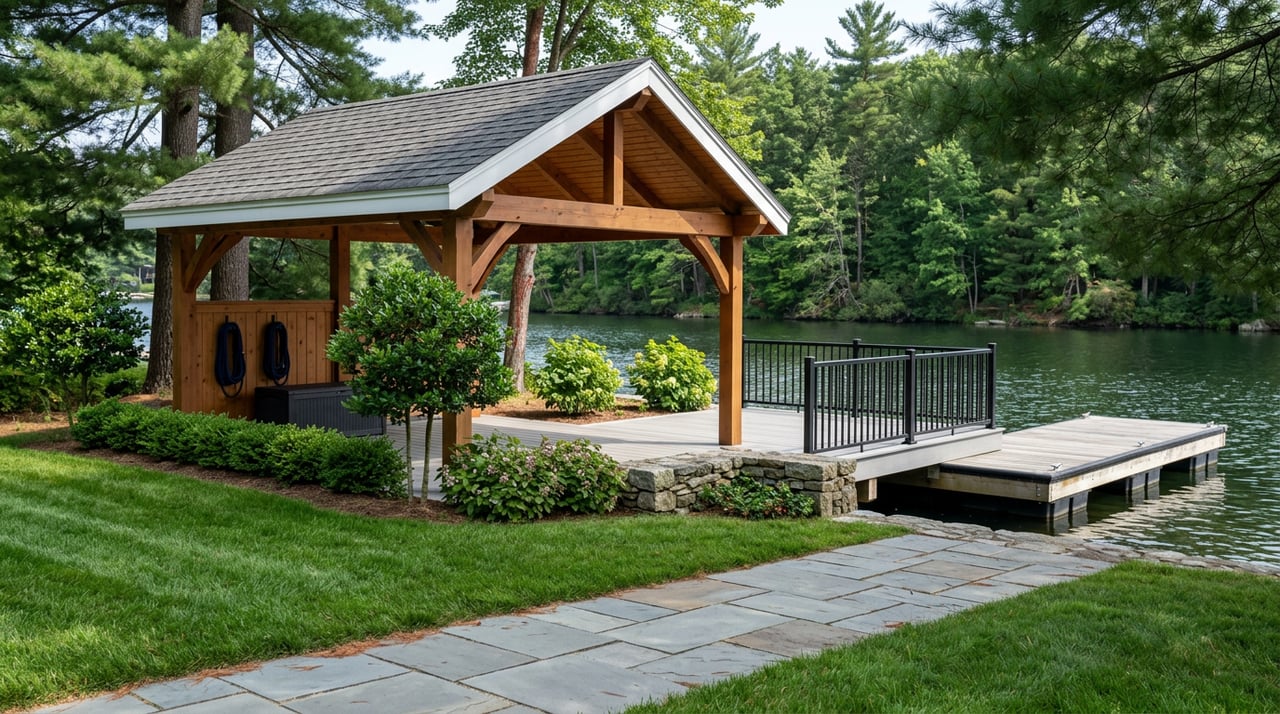
Docks and slips 101

Docks and slips are the most asked‑about amenities on the lake. They are also the most regulated. Three groups can affect a single dock or mooring: Brookfield (as lake owner/manager), the PFBC for boating and safety rules, and the local HOA for community and marina standards. You should plan to check all three.

Key points to know:

  • Eligibility is limited. Local guidance often states that only adjacent front‑lot owners are eligible for private docks and moorings. If a listing mentions docking rights, verify whether the lot is truly lakefront and eligible under current rules. A helpful primer is the regional boating guide for Lake Wallenpaupack.
  • Approvals and permits are layered. Many HOAs require written approval for any pier or dock. Brookfield typically issues a shoreline license or permit for shoreline work and in‑water structures, and PFBC rules apply for navigational safety. Confirm the current permit holder and application steps with the lake office.
  • Seasons matter. Water levels change through the year, and docks are commonly removed for winter. The PFBC shares updates on seasonal dock removal at public facilities, which is a good indicator of timing and safety practices. See the Commission’s note on winter dock removal at Wallenpaupack.

Practical consequences for your purchase:

  • A slip may be a rental, not ownership. Many communities treat slips as association property that are rented to owners and may not transfer on sale. Always ask if a slip is included in the purchase or if you will need to join a waitlist.
  • Ask for permit history. If a prior owner installed or modified a dock under an older permit, verify whether there is an active shoreline license and whether it transfers. If no permit exists, getting one later can be more involved.

Amenities and owner costs

Lake HOAs often maintain beaches, swim docks, boat ramps, marinas, roads, clubhouses, pools, parking areas, and safety patrols. Communities with marinas and staffed amenities typically have higher budgets and dues. Your obligations usually include regular assessments, compliance with CC&Rs and community rules, and registration of guests or tenants when required.

A local example, Wallenpaupack Lake Estates (WLE), publishes rules that illustrate common expectations in lake communities. Highlights include prior written approval for piers and docks, association‑managed marina slips that are rented to owners, required reporting of rentals, occupancy fees or deposits, and enforcement through fines or suspension of privileges. Review the specifics in WLE’s Rules and Regulations.

What to look for beyond the headline dues number:

  • Budget and reserves. Amenities like marinas and pools need routine maintenance. Low reserves or delayed projects can lead to special assessments.
  • Delinquency and litigation. High delinquency or active lawsuits can affect operations and your future costs.
  • Transfer or initiation fees. Some communities charge one‑time fees at closing. Confirm these early so you can budget accurately.

Short‑term rentals in Greentown

Short‑term rentals are regulated at several levels. At the state level, the Pennsylvania Supreme Court held in Slice of Life, LLC v. Hamilton Township that exclusive STR use can be considered a transient lodging business and not a permitted single‑family residential use in certain zones. This case is often cited in local zoning and enforcement decisions. You can read the opinion for context: Slice of Life v. Hamilton Township.

Locally, Greene Township has a formal Short‑Term Rental Ordinance that requires owners who operate STRs to apply, pay fees, designate a local contact, renew annually, and meet operational standards. The township posts the current forms and updates on its website. Check the Greene Township STR page for the latest requirements.

Rules vary across the lake, even between neighboring townships. Palmyra Township, for example, requires STR permits, inspections, and local contact designation with limits on occupancy and parking. Review the Palmyra Township STR ordinance if you’re considering a property there.

Your HOA can be stricter than the township. Many associations set minimum lease terms, require guest registration, collect occupancy deposits, and fine for violations. WLE’s rules include rental reporting and fee requirements. If your plan includes rental income, confirm the township permit path and the HOA’s rental policy before you make an offer.

Buyer due‑diligence checklist

Use this checklist to focus your document requests and questions. It will help you avoid surprises and protect your timeline.

Governing documents and rules

  • Declaration/CC&Rs and all amendments. Confirm use restrictions, rental rules, and any special rights.
  • Bylaws, Rules and Regulations, ARC/building guidelines, marina rules. Look for dock eligibility, slip procedures, guest rules, and fines.

Financial and legal health

  • Current budget, most recent financials, and reserve study if available. Gauge reserve strength against amenity needs.
  • Current assessment amount and payment schedule, special assessments in the last 5 years, and delinquency rate.
  • Any pending or threatened litigation against the association.

Resale and transfer items

  • Resale or estoppel certificate and fee schedule. Confirm document turnaround times.
  • Any transfer, initiation, or capital contribution fees at closing.

Marina, dock, and shoreline specifics

  • Written proof the lot is a front‑lot eligible for a dock if applicable.
  • Any active shoreline license or Brookfield permit and whether it transfers.
  • Slip assignment and contract. Confirm whether a slip is included or rented, and if it transfers.
  • Seasonal rules and any planned capital work on docks or marinas.

Short‑term rental and occupancy rules

  • HOA rental policy, minimum lease term, guest badge rules, occupancy deposits, and advertising guidelines.
  • Township STR permit needs, inspections, and local contact requirements.

Insurance and responsibility

  • Association certificate of insurance, limits, and deductible. Ask if owners need specific coverage for docks or boats.
  • Who maintains roads, snow removal, water or sewer systems, and marina infrastructure.

Records and contacts

  • Board meeting minutes for the past 12–24 months and any recent member votes on dues or projects.
  • Management company or HOA office contact for resale packets and marina documentation.

Timing and process tips

  • Order the resale packet early. Some associations need several weeks and charge processing fees.
  • Build in time for marina confirmations. If a slip is important, get written status on eligibility, waitlists, and fees before you remove contingencies.
  • Align your lender and attorney. Share the HOA documents and shoreline permits early to keep underwriting on track.
  • Keep a single contact sheet. Include the township STR office, the HOA/management company, and the lake office listed on the PFBC resource page for quick follow‑up. Refer back to the PFBC Lake Wallenpaupack page for lake management and access information.

Next steps

Buying in a Greentown HOA lake community is about more than loving the view. It is about understanding how the HOA, the township, and the lake manager fit together so your home supports the way you want to live and play. With the right guidance and a complete document review, you can move forward with confidence.

If you want a local, one‑on‑one advisor who knows the lake rules, dock nuances, and community differences, reach out to Pamela Wheatley. We will help you confirm eligibility, navigate HOA documents, and position your offer so you can enjoy the lake with fewer surprises.
FAQs

Do docks transfer with a home in Greentown HOA communities?

  • Not always; many communities treat slips as association property rented to owners, so confirm in writing whether a dock or slip is included, transferable, or subject to waitlists, and review any shoreline license.

Who controls permits for docks on Lake Wallenpaupack?

  • Brookfield Renewable manages shoreline licensing, PFBC sets boating and safety rules, and your HOA controls community and marina standards, so you should verify requirements with all three.

What short‑term rental rules apply in Greene Township?

  • Greene Township requires owners who operate STRs to apply, pay fees, renew annually, and meet standards posted on the township site, and your HOA may add stricter rental policies.

Can a non‑lakefront owner get a private dock?

  • Local guidance commonly limits private docks and moorings to adjacent front‑lot owners, so verify a lot’s eligibility and any association or lake permits tied to that property.

How much time should I allow for HOA resale documents?

  • Plan for several weeks in some communities; order early and confirm processing fees, required forms, and turnaround times to protect your closing timeline.

Are HOA liens common if dues are unpaid?

  • Associations have the legal ability under Pennsylvania’s Title 68 to record liens for unpaid assessments, so stay current on dues and review the association’s collection policies before buying.

Work With Pamela

Whether you’re buying your first home, selling a lakefront property, or planning your next investment, Pamela is committed to helping you move forward with confidence.