
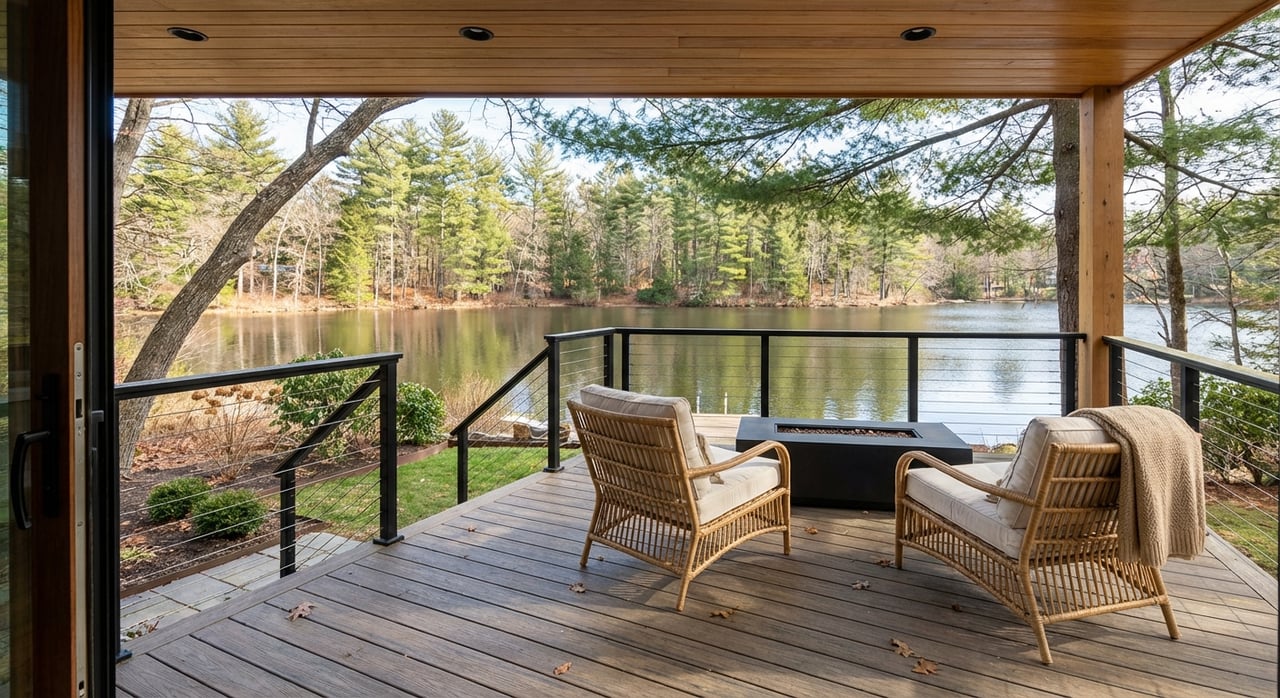
Thinking about selling your Newfoundland lake home but not sure where to start? Lake properties ask a bit more of you than a typical suburban sale, from septic checks to the perfect photo timing when your dock is in. You want a smooth process and the best price without surprises. This guide gives you a step‑by‑step plan tailored to the Lake Wallenpaupack area so you can launch with confidence and attract serious, qualified buyers. Let’s dive in.
Newfoundland sits in Dreher Township in Wayne County, a short hop from Lake Wallenpaupack’s marinas, launches, and events. The lake is a roughly 5,700‑acre reservoir with public recreation and hydroelectric operations. Rules for boating, launch points, and pump‑outs are posted by the state. If you are new to the area, review how Newfoundland fits into the region and how buyers talk about “Wallenpaupack” so your listing speaks their language.
Peak activity at Wallenpaupack runs from late spring through summer. Docks are commonly in from about May to October, and events like Wally Lake Fest bring extra weekend traffic. If you want lush landscaping and dock-in photos, plan your listing for early May to mid‑June. If you prefer a fall vibe, aim for early September to mid‑October for calm water and foliage.
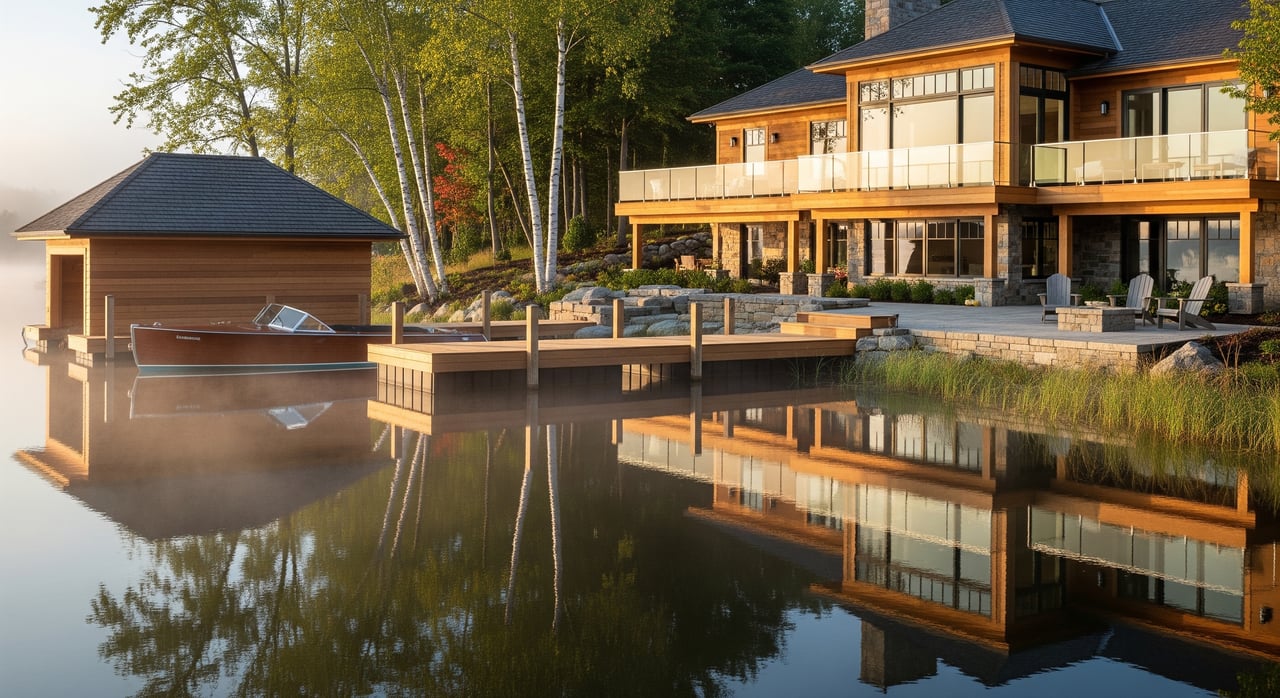
For imagery, early morning or late afternoon light creates softer reflections and fewer shadows on the facade. If your dock comes out for winter, focus on deck views, interior sightlines to the water, and cozy twilight shots. For a season‑by‑season overview, check the Lake Wallenpaupack recreation guide.
Waterfront buyers ask precise questions. Getting ahead of inspections and paperwork builds trust and keeps your deal on track.
You must disclose known material defects for most 1–4 unit homes in Pennsylvania, including structural issues, water and sewer systems, and hazardous substances. Provide the signed disclosure before a buyer signs an agreement. Many sellers choose a pre‑listing inspection to reduce surprises. Read more on Pennsylvania home seller disclosures.
On‑lot sewage systems are common around the lake and are overseen by township Sewage Enforcement Officers (SEOs). Some municipalities require a real‑estate transfer inspection or at least proof of pumping and maintenance. Contact your township SEO early to confirm timing, fees, and paperwork. An example of local procedures is posted on the Dingman Township SEO page. Gather recent pumping receipts and disclose any repair history.
If you have a private well, plan to provide recent lab results. Public‑health guidance recommends testing at least for total coliform/E. coli and nitrates, plus any locally relevant contaminants. Testing before you list helps you avoid late price or credit renegotiations. See the CDC’s private well testing guidance for recommended panels and certified labs.
If you have done in‑water or shoreline work, confirm permits and keep documentation handy. Many activities — like new docks, bulkheads, or fill — need approvals under Pennsylvania Department of Environmental Protection Chapter 105. Minor residential work can qualify for a general permit, but rules vary. Review Pennsylvania DEP Chapter 105 general permits and contact DEP or your county conservation district with questions. Be candid on your disclosure about any past shoreline work.
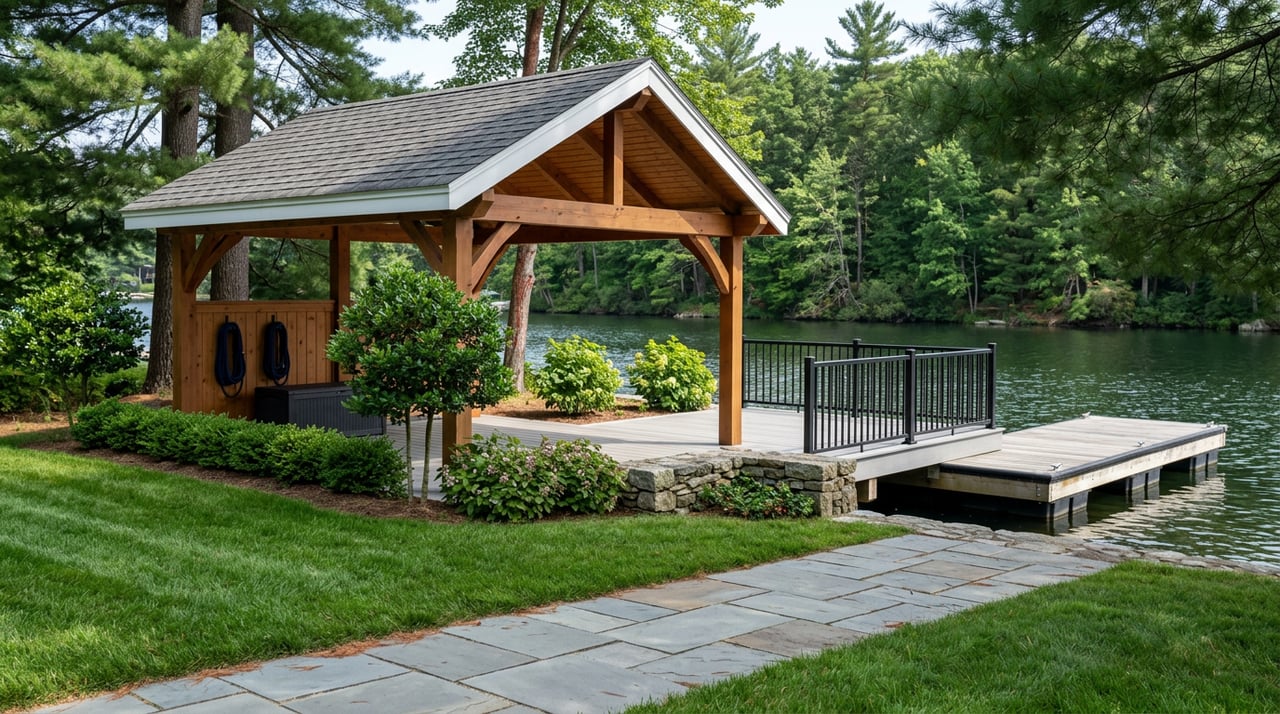
Clean, safe, and clearly signed docks leave a strong impression. Check cleats, boards, and railings, and remove algae or debris before photos and showings. Buyers also ask about sewage pump‑outs and lake‑use rules. The PA Fish & Boat Commission’s Wallenpaupack page lists launches, rules, and pump‑out locations you can reference.
Today’s buyers shop online first. Strong visuals and a clear story about access and lifestyle help your home stand out.
Industry research shows that staging helps buyers visualize a home and can reduce days on market. Focus on the living room, kitchen, and primary bedroom. For lake homes, open up view corridors — trim shrubs that block windows, clear deck railings, set a simple dining scene outside, and use neutral decor that lets the water do the talking. See the National Association of Realtors’ overview on staging and buyer impact.
Order professional interior and exterior photos, plus a few hero shots that include the water and dock. A 3‑D tour and floor plan help remote buyers decide to visit. Aerials are great for showing shoreline context, but make sure your operator follows the rules. Commercial drone flights for listings fall under the FAA’s Part 107 — confirm your photographer’s certification, insurance, and any local permissions before flying.
If your dock is seasonal, schedule photography when it is in and landscaping looks fresh — locally that is usually May through October. For fall listings, target peak color. Early morning or golden hour softens light and often gives the lake a calm, reflective look. If winter is your only option, lean into warm interior scenes and vistas from the deck, then add a note in your listing about seasonal dock timing.
Waterfront access is not one‑size‑fits‑all. Some homes have private riparian rights, others use a community dock, an association slip, or an easement. Gather and share:
If the property has short‑term rental history, disclose it. Buyers often ask about revenue, permits, occupancy taxes, and whether local covenants or HOA rules allow rentals. Clear answers build confidence and speed decisions.
Use this simple timeline to prepare without scrambling.
Selling a Newfoundland lake home is part preparation, part storytelling. When you line up inspections, confirm shoreline details, and showcase the setting at the right moment, you give buyers the clarity they need to act. If you want a tailored pricing strategy, premium visuals, and guidance grounded in hyperlocal experience around Wallenpaupack, reach out for a conversation.
Have questions or want an expert set of eyes on your timeline and marketing plan? Connect with Pamela Wheatley to Get a Free Home Valuation & Consultation.
Whether you’re buying your first home, selling a lakefront property, or planning your next investment, Pamela is committed to helping you move forward with confidence.
1307 Purdytown Turnpike Lakeville PA 18438