
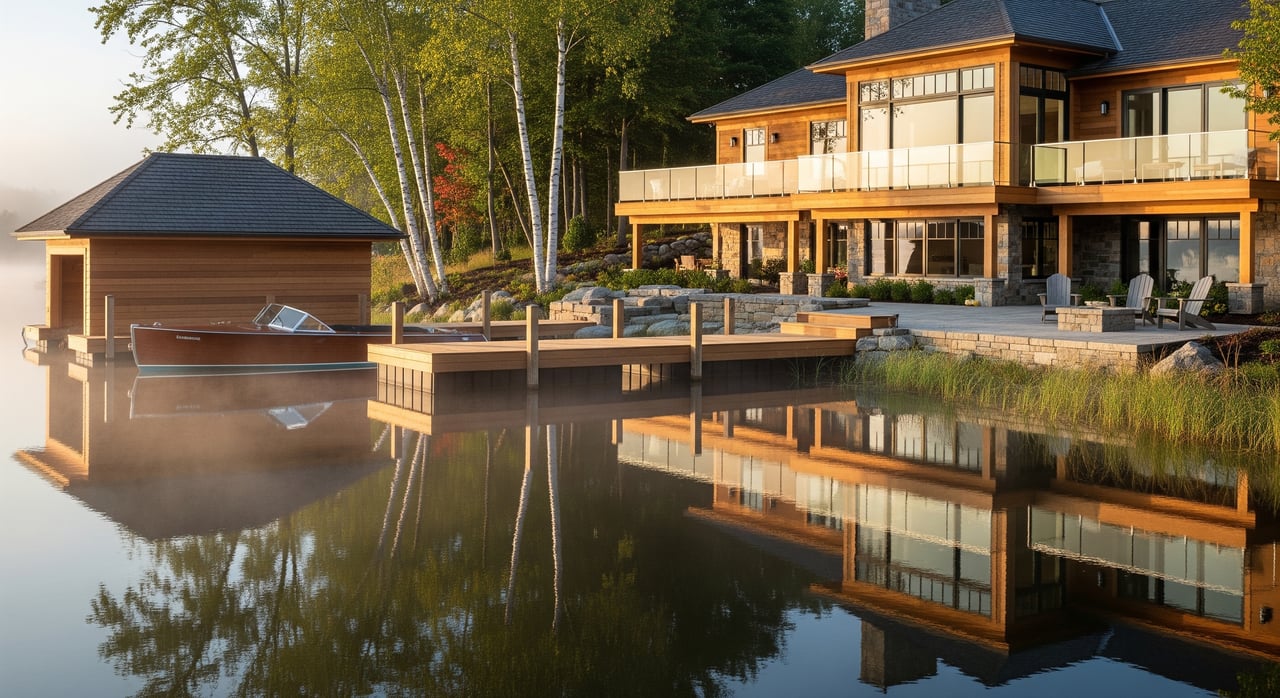
What if your mornings started with mist rising off still water and ended with a pink sky over quiet coves? If you are weighing a primary home or weekend place in Lake Ariel, you want the real picture of day-to-day life, not just postcard views. In this guide, you will see how the seasons flow, where people actually live, what errands look like, and the practical factors that shape lake living in Wayne County. You will walk away with a clear sense of fit and a simple plan to move forward. Let’s dive in.
Lake Ariel sits in the Pocono Mountains, a short drive from many parts of northern New Jersey and the New York City metro. Typical drive times range from about 1.5 to 3 hours depending on route and traffic. The landscape is classic Poconos: small lakes, wooded hills, and a relaxed pace that tightens or loosens with the season.
Just to the east, Lake Wallenpaupack anchors the broader lake region. At roughly 5,700 acres, Wallenpaupack draws boaters, anglers, and second-home owners, which shapes the local economy and rhythm. Lake Ariel benefits from that energy without feeling overrun. Summer is the liveliest season. Winter is peaceful, with a steady year-round community in many pockets.
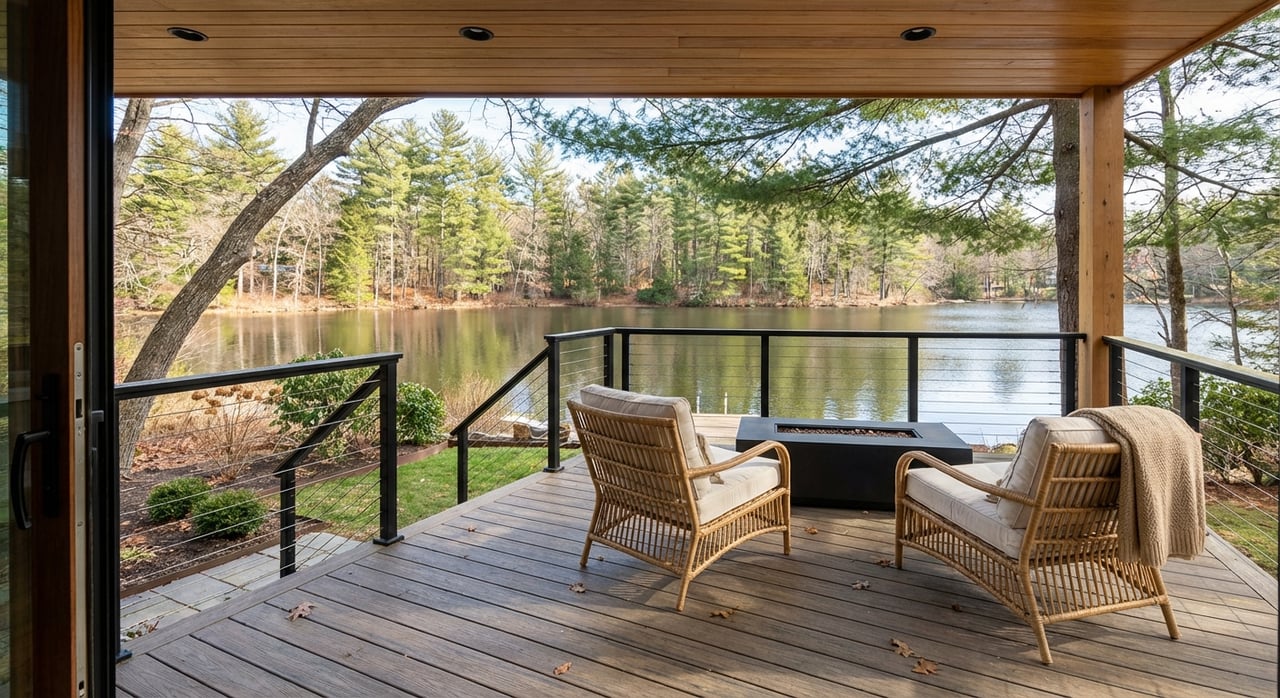
On summer mornings, you might hear an outboard hum far across the water and see kayaks sliding along the shoreline. By mid-day, marinas near Wallenpaupack buzz with rentals and lakeside lunches. Evenings are for grilling on the deck or cruising at no-wake speed back to the dock. In fall, weekends bring foliage traffic and quiet weekday trails. Winter shifts to snow-covered roads, wood stove heat, and a slower, neighborly pace.
The key is choosing a pocket that matches your ideal version of lake life. Some areas feel social in summer and hushed later on. Others stay active year-round with easy access to services.
Every pocket around Lake Ariel offers a different daily experience. Here is how they break down and what to consider.
What it feels like: Small to mid-sized cottages and renovated homes sit right on the water or a short walk away. Summer brings more dock time and a friendly, laid-back vibe; off season is quiet and restorative.
Considerations:
What it feels like: Toward Tafton, Wilsonville, and Hawley, you will find marinas, boat ramps, and seasonal eateries. Activity picks up on sunny weekends and during peak seasons, which is a draw for many buyers.
Considerations:
What it feels like: The village area offers everyday conveniences like grocery, restaurants, and municipal services. Homes tend to be older, on smaller lots, with a stable year-round feel.
Considerations:
What it feels like: Privacy and space on larger lots, sometimes on gravel roads. It is an appealing choice if you want a tucked-away cabin.
Considerations:
What it feels like: Less common than in suburbs, but some communities offer shared amenities and HOA structure.
Considerations:
You will find basic grocery and convenience options in and around Lake Ariel. For larger supermarkets and broader retail, plan on a 10 to 30 minute drive depending on where you live. Dining ranges from family restaurants to seasonal lakeside spots near Wallenpaupack. Hours often follow the seasons, with the longest days and the liveliest patios in late spring through early fall.
Primary care and urgent care are in nearby towns, while hospital-level services require a drive to regional centers. If you want quick access to specific specialists, factor that into your location choice. Older buyers and anyone with medical needs often prefer pockets with shorter drives and paved roads that stay clear in winter.
Lake Ariel homes fall across multiple townships and local districts. Families often choose locations based on school bus routes, commute patterns, and proximity to the village. Always verify the exact district by address when you identify a property.
Many homes use a mix of natural gas where available, propane or oil, electric heat, and sometimes wood stoves. Private wells and septic systems are common outside the village. Plan for septic pumping, water testing, and fuel delivery as part of your annual routine.
Snow and ice are part of life. Township services handle main roads, but private roads and driveways often need private plow contractors. A generator and a well-maintained heating system add peace of mind during storms.
Coverage is improving but still varies by pocket. Year-round residents and remote workers often prioritize properties with verified high-speed internet through cable or fiber where available. In rural areas, DSL or fixed wireless may be the best option. Test both broadband and cell signal at the home you are considering.
When the weather warms up, lake time sets the schedule. Boating, swimming, paddle sports, and dockside evenings are the norm. Lake Wallenpaupack supports powerboating, fishing, and multiple public launches and marinas. Smaller lakes around Lake Ariel are quieter and may limit horsepower or require non-motorized craft. Always check local boating rules and no-wake zones for your specific lake.
Spring and fall are prime for trout and bass fishing and for hiking among changing leaves. Fall foliage draws visitors, especially on weekends, which can bump up travel times near popular spots.
Winter brings a calmer pace. You will find ice fishing, snowmobiling, and snowshoeing where permitted. Some lake communities quiet down while others keep a steady year-round pulse. Winter readiness at home is key for comfort and convenience.
Lake Wallenpaupack offers public boat launches, marinas, and rentals. Around smaller lakes near Lake Ariel, access ranges from public beaches and municipal parks to private shoreline for waterfront owners. Research your target lake’s access points, wake rules, and speed zones before you buy.
Expect summer festivals, fishing derbies, farmers markets, and holiday parades across the broader lake region. Community associations and volunteer fire companies often anchor social calendars, giving newcomers an easy way to plug in.
Buying in lake country is a little different than suburban or urban purchases. Use this checklist to keep your search on track.
Water and septic systems
Shoreline and environmental rules
Flood risk and insurance
Home insurance and weather
Taxes, utilities, and operating costs
Zoning, rentals, and HOAs
Commute and remote work
Use your lifestyle goals to guide your pocket choice.
You do not need to know every rule or lake by heart. You just need a clear wish list and a local plan. Start by narrowing your must-haves: waterfront vs. water access, year-round vs. seasonal use, rental potential vs. purely personal. Then schedule time on the ground. Tour a few pocket types in one day to feel the difference in driving, services, and shoreline access.
If you want a hands-on guide who knows which coves stay calm on busy weekends, which roads are quickest after snow, and how to navigate septic, shoreline, and rental rules, reach out to Pamela Wheatley for a consult and local tour plan.
Whether you’re buying your first home, selling a lakefront property, or planning your next investment, Pamela is committed to helping you move forward with confidence.
1307 Purdytown Turnpike Lakeville PA 18438